
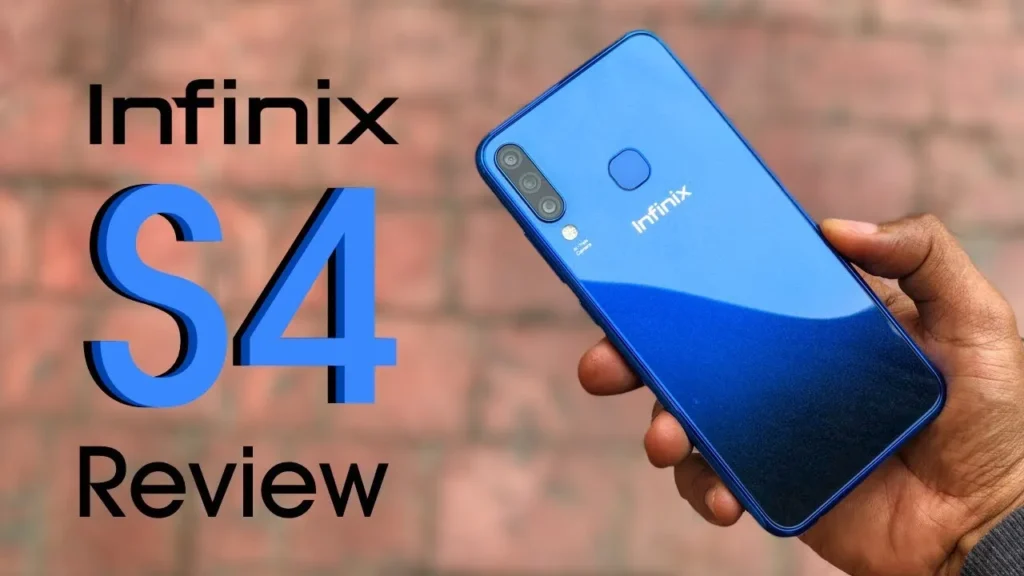
Introduction of Infinix S4
The Infinix S4 is a budget-focused smartphone that prioritizes a standout 32MP selfie camera, dependable battery endurance, and a bright IPS display for the price tier. This pillar covers specs, camera methodology, benchmark protocols, regional price notes, alternatives, and an honest verdict. The Infinix S4 is Infinix’s entry- to mid-level offering focused on social-media-first buyers who prioritize high-resolution selfies and long battery life at an accessible price. It is positioned for users who want a modern, tall-screen phone with a large front-facing sensor for crisp portrait and selfie shots, without the higher cost of mid-range chipsets or flagship-level camera systems.
Key specs at a glance
Below is a compact spec table you can paste as HTML or convert into CSV.
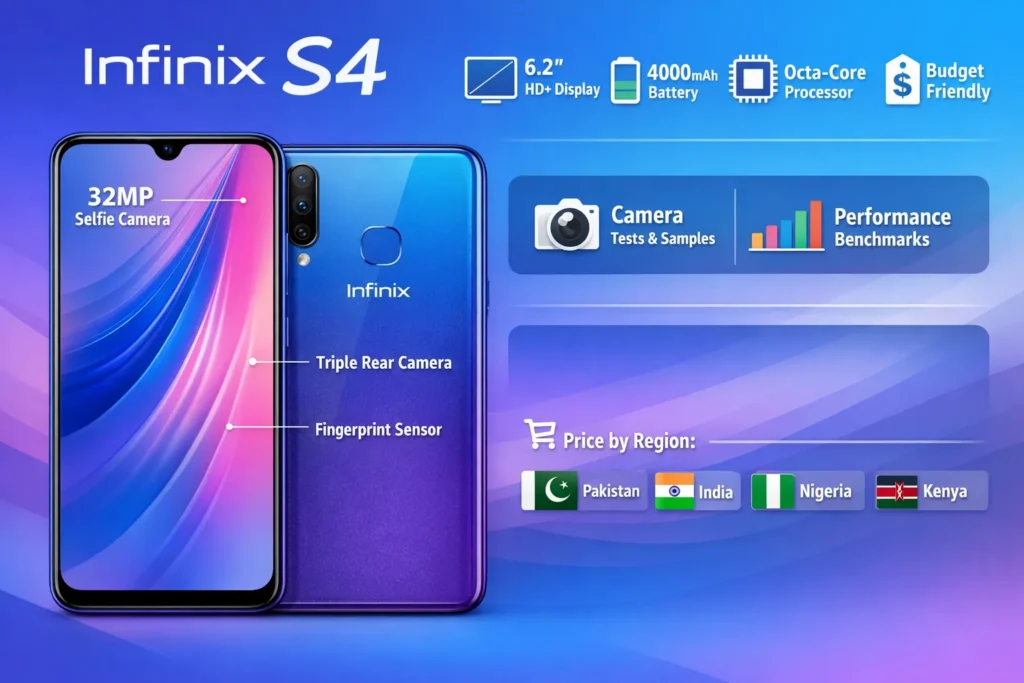
- Display: 6.2–6.3 inch IPS, HD+ (approx. 720 × 1520)
- SoC: MediaTek Helio series (entry-level octa-core; confirm exact model e.g., P22/P23)
- RAM / Storage: 3 GB / 32 GB typical; microSD slot (dedicated)
- Rear cameras: Triple setup — main ~16MP, depth/secondary ~2–8MP, tertiary macro/AI sensor (varies by SKU)
- Front camera: 32MP — primary marketing point
- Battery: ~4000 mAh typical; charging often 10W; connector varies (micro-USB or USB-C depending on region)
- OS: Android with Infinix XOS skin (build number and security patch vary by market)
- Connectivity: 4G LTE, Wi-Fi b/g/n, Bluetooth 4.x, GPS, FM radio
- Ports & sensors: 3.5mm headphone jack, rear-mounted fingerprint, face unlock (software)
- Build: glossy plastic back and plastic frame; multiple colorways
Design & Display
Design and ergonomics
The Infinix S4 uses a lightweight plastic chassis and a glossy rear finish engineered for visual flair over a premium feel. That glossy back helps produce vivid product photography for hero images, but it’s prone to fingerprints — include a lifestyle shot both with and without a case. The rear camera island is modest and doesn’t dominate the frame. Weight distribution is generally even; users report comfortable one-handed reach for most tasks despite the tall 19:9-ish aspect ratio.
For an editorial lens: include a high-resolution hero image (screen on), a rear close-up to highlight the camera array, and a lifestyle shot of the phone in use, both outdoors and indoors. Provide alt text that mentions the colorway and shot type (e.g., “Infinix S4 turquoise back closeup — rear camera cluster visible”).
Screen
The panel is a 6.2–6.3″ IPS display with an HD+ resolution. At this pixel density, text isn’t as pin-sharp as FHD displays, but it’s acceptable for social media, video streaming at 720p, and casual browsing. Colors tend to be punchier than neutral (typical of modern IPS panels tuned for consumer appeal), but contrast and deep blacks are limited compared to OLED. Brightness is acceptable in indoor and shaded outdoor environments; direct, bright sunlight will challenge legibility — test and photograph outdoor visibility for the gallery.
What to measure and report on-device
- Peak brightness (nits) with a light meter. Record both auto-brightness and manual full brightness values.
- Pixel density (ppi) computed precisely from resolution and diagonal size.
- Measure color temperature and Delta-E if you have access to a colorimeter.
- Touch sampling responsiveness and any visible ghosting when scrolling.
Suggested on-page assets
- A small table: resolution, pixel density, aspect ratio, panel type, peak measured brightness.
- Paired images: screen in sunlight, screen in indoor lighting, and a screenshot showing UI scaling at 100% to demonstrate sharpness.
Performance & benchmarks
This section must be reproducible and transparent. Publish the exact SoC string and test conditions so readers can compare apples to apples.
What the methodology
- Exact SoC model (e.g., MediaTek Helio P22) and exact firmware/build number.
- Test environment: Factory reset before testing, background sync off, airplane mode for synthetic benchmarks (if you want repeatable numbers), but real-world tests with connectivity on.
- Benchmark suite: Geekbench (single & multi), AnTuTu (include version number), GFXBench, or 3DMark for GPU metrics. For each test, note the app version, OS version, and whether the phone was plugged in.
- Longevity & thermal tests: a 30-minute sustained game loop or stress test (specify app and settings), with surface temperature readings at 0, 5, 15, and 30 minutes. Use an IR thermometer for surface temperatures and log ambient temperature.
- Storage speed: publish sequential read/write numbers (MB/s) using a lightweight storage test app; include the test file size used.
- App cold-launch times: measure from tap to first usable frame for popular apps — Chrome, Instagram, YouTube — running the phone in a controlled state.
Typical findings to write up
- The S4’s SoC performs well for daily tasks: browsing, social media, streaming, and light gaming. Expect occasional frame drops in heavy 3D titles at max settings.
- RAM management: With 3 GB of RAM, multitasking will be limited — recommend opening and switching between about 6–8 apps before observing reloads in heavy multitasking tests. Publish RAM retention numbers: open 10 apps, switch, and record which ones reload.
- Thermals: moderate heat after 15–30 minutes of gaming; measure throttling by recording average vs peak FPS and the percentage drop.
Tables and charts
- Publish a small table of benchmark numbers (Geekbench single/multi, AnTuTu composite) with exact app versions and firmware.
- Add a thermal table: ambient temperature, device surface temps, and observed FPS.
- A short paragraph explaining real-world implications — e.g., “If you play PUBG Mobile at medium settings, expect playable frame rates but not sustained ultra-smooth performance.”
Camera
Because the Infinix S4’s marketing focuses on the 32MP front camera, your page must deliver exhaustive, repeatable camera testing. Readers come to this section expecting photos they can believe and replicate.
What to capture for your gallery
Capture the following with consistent framing and settings; provide full-res images and 100% crops for comparison.
- Daylight main sensor — 1x shot (scenic, high-contrast scene).
- Daylight crop / 2x (digital crop) — focus on face detail.
- Ultrawide (if present) — a landscape or architecture shot to Show Distortion.
- Portrait mode (rear) — demonstrate edge detection and bokeh quality.
- Low-light rear — night mode vs auto.
- Selfie daylight (32MP front) — close-up and 50cm portrait.
- Selfie low-light — indoor room lighting and streetlight scenarios.
- Macro close-up — push tertiary sensor limitations.
- Video stills (1080p, 30fps) — landscape and portrait orientation.
- Stabilization clip — walk and pan to show EIS behavior.
File handling note: host full-resolution images for press as a ZIP with EXIF intact and include a disclaimer about image compression used for previews on the web page.
Camera methodology
Transparency builds trust:
- All shots taken on a tripod where crops matter; handheld only for walk-and-pan stabilization tests.
- RAW capture is used when available; otherwise, high-quality JPEG with default processing.
- Do not apply external sharpening or noise reduction in post; only crop and resize for web previews.
- List exact shooting settings: ISO, shutter speed, focal length (equivalent), and any scene modes used.
- For comparisons, use the same framing and exposure target on rival phones. Keep white balance and exposure consistent across devices (use a grey card where possible).
Strengths
- Front camera (32MP) — excellent detail in daylight, with skin tones tuned for social media-ready output. This is the S4’s headline feature and should be the primary image in hero slots and social thumbnails.
- Portrait mode — reliable subject separation in most daylight scenes. Use head-and-shoulder portraits for gallery thumbnails.
- Daylight dynamic range — acceptable for the class; recoverable highlights in many outdoor scenes.
Weaknesses
- Low-light performance — both front and rear sensors show noise and softer detail when lighting falls below typical daytime levels. Night-mode algorithms can help, but aren’t flagship-grade.
- Tertiary sensor utility — often a depth or macro assist with limited real-world impact; highlight this in the inspection shots.
- Video stabilization — average EIS; it’s fine for casual clips but not for professional handheld cinematography.
Example results to show
- Side-by-side 100% crops: Infinix S4 vs a close rival for skin detail in daylight and low light.
- A table summarizing camera metadata: megapixels, aperture (if available), sensor size if known, OIS/EIS presence, and any software modes (night mode, AI scene optimizations).
- A short interpretive paragraph per image describing exposure, noise, white balance, and how the phone handled highlights and shadows.
Battery & charging tests
Battery endurance is a decisive metric for many buyers. The S4’s battery and the modest screen resolution should deliver above-average real-world runtime for light–moderate users.
Test suite to run
- Video loop test: airplane mode, 50% brightness, loop a video file until shutdown. Publish hours and minutes.
- Web browsing SOT: automated scrolling script in Chrome with moderate content density (news and social mix) until shutdown; preserve battery percentages and record SOT (screen-on time).
- Gaming SOT: run PUBG Mobile or Call of Duty at medium settings until battery depletion; record average FPS and final battery percentage at 30-minute marks.
- Charging test: 0→100% with included charger; record times and note temperature rise during charge. Use included cable and charger for real-world relevance.
Typical findings
- Expect a full day of moderate use (screen-on time commonly between 6–8 hours, depending on usage patterns). The HD+ panel and efficient SoC help deliver longer runtime.
- Charging is usually 10W on many SKUs — note that if the SKU supports faster charging, record that explicitly; otherwise, do not assume. Charging from 0→100% on a 10W charger will typically take significantly longer than modern fast-charge phones (often 2+ hours).
Connectivity, ports & extras
This section lists practical, SKU-dependent details that matter at purchase time.
- Wi-Fi: b/g/n common; 5 GHz often absent in this class — check SKU.
- Bluetooth: 4.x — adequate for modern earbuds but not aptX HD.
- LTE bands: country-specific — include band lists per SKU when publishing per-market pages.
- Headphone jack: present — a selling point for many users.
- Sensors: rear fingerprint (fast and accurate for everyday unlocking), face unlock (software-based; convenient but less secure).
- Extras: FM radio, microSD slot (dedicated), and a default XOS skin with manufacturer customizations.
Price & where to buy
Price is time-sensitive. Always show a “last checked” timestamp and link to the retailer or official store for verification. Present a small, clear table per country with retailer, price (local currency), and date checked.
Include the following markets:
- Pakistan — local price, authorized resellers, warranty notes.
- India — online vs offline price differences, frequent launch offers.
- Nigeria — check official Infinix stores and major e-commerce retailers for bundles.
- Kenya — include popular local stores and warranty/after-sales info.
Who should buy the Infinix S4?
Provide clear decision guidance in short bullets so readers know whether the phone suits them.
- Buy if you want a best-in-class selfie camera at a budget price.
- Buy if you prioritize long daily battery life and a large, bright screen for social media and video.
- Consider if you want a simple, reliable handset for everyday apps and light gaming.
- Don’t buy if you need top-tier low-light photography, the fastest SoC for heavy gaming, or an FHD/OLED display.
FAQs
A: The S4 usually ships with around 4000 mAh battery.
A: Yes, most variants include a 3.5mm headphone jack.
A: The 32MP front camera is strong in daylight and great for selfies; low-light selfies are okay but show noise.
A: It can run light games well, but will struggle with heavy 3D games at high settings.
A: It runs Android with Infinix’s XOS skin. Versions vary by market — list build number and changelog on your page.
Final notes
The Infinix S4 is a value-driven proposition for selfie-first users who want a large display and a battery that lasts the day. It is not a flagship performer, and low-light camera and heavy 3D gaming performance lag behind mid-range devices, but for social content creators on a budget, the S4 delivers strong everyday performance at an accessible price.
